Get a Quote
Stainless Steel U Tubes Manufacturer in Thailand

ASTM A213 / ASME SA-213 / ASTM A1016 / EN 10204 3.1

Stainless Steel U Tubes Manufacturer in Thailand

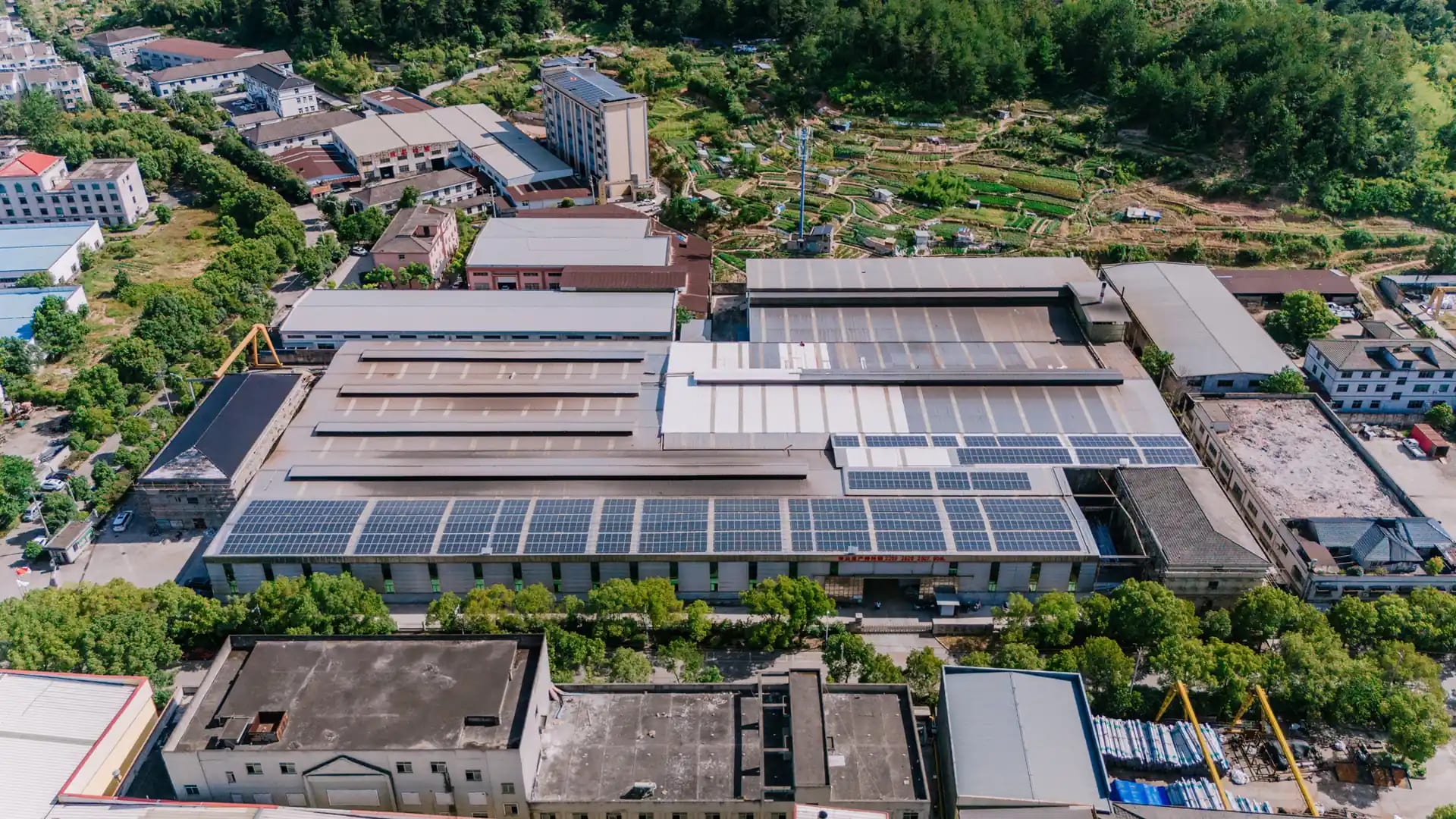
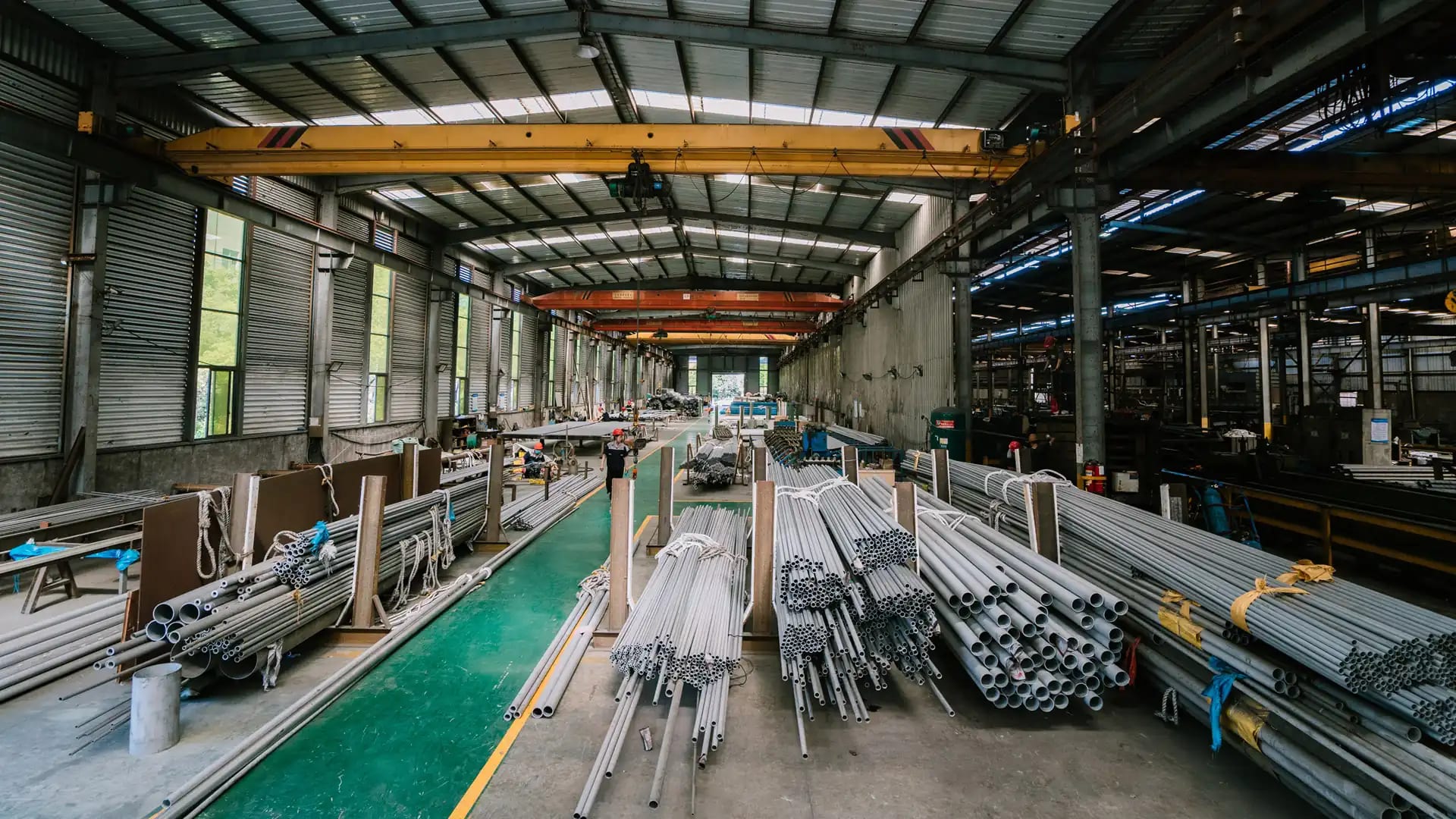
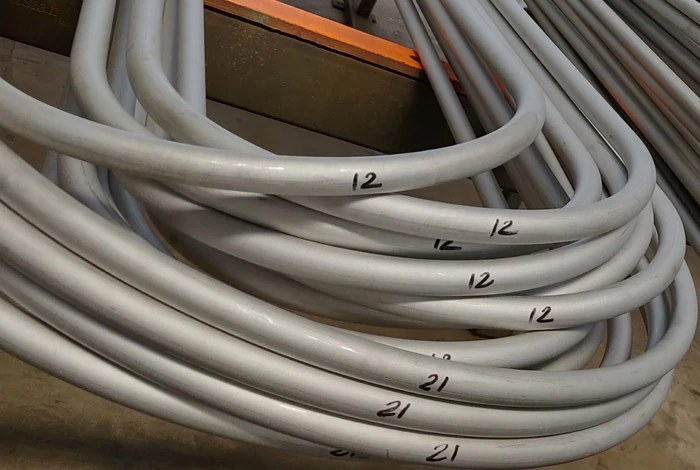
Bent into a U from straight seamless tube made to ASTM A213 / ASME SA-213, each stainless steel U tube from Thaida Stainless Steel Manufacturing (Thailand) Co., Ltd. is formed at our Ban Bueng, Chonburi mill, which also makes our stainless steel seamless tubes. Quotations come from our Bang Phli, Samut Prakan office. Sizes run 12.7 to 127 mm OD and 1 to 5 mm wall, with UNS S30400 U tube and WNR 1.4404 U tube among the grades.

Stainless Steel U TubesASTM A213 / ASME SA-213 / ASTM A1016

  • 12.7 to 127 mmOutside diameter
  • 1 to 5 mmWall thickness
  • Up to 22 mLength
  • 5 gradesTP304 / TP304L / TP316 / TP316L / TP321

EN 10204 3.1 certificate / 3.2 on request

ASTM A213 U Tube Specifications

The values below follow each tube from billet to finished U. Five grades share one size window, and the same test regime applies whichever grade a bundle is bent from.

Standard
ASTM A213 / ASME SA-213, general requirements to ASTM A1016
Grades
  • TP304
  • TP304L
  • TP316
  • TP316L
  • TP321 (mainly 304 and 316)
Outside Diameter
12.7 to 127 mm
Wall Thickness
1 to 5 mmminimum wall or average wall
Straight Length Before Bending
Up to 22 m
Bend Radius and Leg Lengths
To the customer's bundle drawing
Manufacturing Route
  1. Billet heated and pierced
  2. Hot worked and cold drawn
  3. Annealed and pickled
  4. Then cold bent into a U
After Bending
Heat treated and checked before testing
Form
Seamlessround; U-bent, or straight lengths
Surface
Pickled free of scaleor bright annealed
Testing
  • Each tube hydrostatic or nondestructive electric tested
  • Tension, hardness, flattening and flaring tests per lot
Test Certificate
EN 10204 3.13.2 on request
Stainless Steel U Tubes Manufacturer in Thailand

ASTM A213 covers seamless ferritic and austenitic boiler, superheater and heat-exchanger tubes, and ASME SA-213 is the version referenced for boiler and pressure vessel code work. Each ASTM A213 U tube we supply is therefore made first as a heat-exchanger tube, hot worked, cold drawn, annealed and pickled, and only then formed into a U. Tolerances and test methods come from ASTM A1016, the general requirements specification behind A213. A213 sets its requirements for the tube rather than for the bend, so the radius and leg lengths of each ASME SA-213 U tube are taken from the customer's drawing.

Every tube is proven individually, either by hydrostatic test or by eddy current or ultrasonic examination. A213 also calls for a product analysis from each heat, tension and hardness tests on every lot, and a flattening test and a flaring test, each made on both ends of a different tube from the lot. Tubes must also stand expanding and beading into a tube sheet without cracks or flaws. All results go onto the EN 10204 3.1 (3.2 on request) certificate, an intergranular corrosion test is added when the order specifies it, and third-party inspection is available on request.

How a Stainless Steel U-Bend Tube Is Made

Each stainless steel U-bend tube begins as a solid billet, heated and pierced into a hollow shell, then hot worked and cold drawn to its OD, wall and surface finish. The straight length is annealed and pickled before cold-bending equipment forms the U. After cold bending, the tubes are heat treated and checked before testing.

ASTM A1016 applies its wall, OD and cut-length tolerances before bending, so the wall, OD and length of an SS U tube are held to tolerance on the straight length. Our 22 m maximum is likewise the straight length before the U is formed, not a leg length. Send the bend radius and leg lengths from your bundle drawing, since those figures, not a catalog value, define the shape of each U.

Thermal Expansion in a U-Bend Bundle

Bending the tube into a U puts both of its ends in the same tube sheet. Each tube can then expand and contract freely as temperatures change, which reduces thermal stress on the exchanger and suits services with large temperature differences. The return bend also reverses flow without extra fittings, which keeps potential leak points to a minimum, and a U-bend heat exchanger tube holds its structural integrity under cyclic thermal stress in horizontal or vertical mounting. Exchanger designs built on straight lengths are covered by our stainless steel heat exchanger tubes.

SS U Tube Grades

Our stainless steel U tubes are bent mainly from 304 and 316 family grades. The five grades below cover the usual choices, from water duty to chlorides and temperature cycling, and composition and strength data sit on each linked grade page.

TP304 U Tube

Grade 304 is the basic chromium-nickel austenitic steel and a common first choice for bending, thanks to its very good ductility and formability. Exchangers on water, steam and mild chemicals often run in ASTM A213 TP304 U tube or UNS S30400 U tube, bent from our stainless steel 304 seamless tube.

TP304L U Tube

304L keeps the chromium-nickel base of 304 at a lower carbon level, which reduces sensitization in the heat-affected zone when tube ends are welded into the tube sheet. It covers the same water, steam and mild chemical duties as 304, and its straight form is our 304L seamless tube in UNS S30403.

TP316 U Tube

Molybdenum separates 316 from 304 and helps the tube resist pitting and crevice corrosion where cooling water or process fluid carries chlorides, seawater included. Its straight form is our stainless steel 316 seamless tube in UNS S31600, which takes the same cold-bending route as 304.

TP316L U Tube

316L pairs the molybdenum of 316 with low carbon, so tube-to-tubesheet welds resist intergranular corrosion, and the tube bends or flares readily without cracking. Chloride-bearing cooling water calls for ASTM A213 TP316L U tube, also ordered as UNS S31603 U tube, and the straight version is our 316L seamless tube.

TP321 U Tube

Titanium stabilization in 321 binds carbon, so the grade resists carbide precipitation during thermal cycling and keeps its resistance to weld decay. Bundles that heat up and cool down repeatedly are often specified as UNS S32100 U tube or WNR 1.4541 U tube, bent from our seamless 321 stainless steel tube.

U-Bend Heat Exchanger Tube Sizes and Straight Lengths

We make U-bend heat exchanger tube from 12.7 to 127 mm OD with 1 to 5 mm wall, bent from straight lengths of up to 22 m. Size is ordered as OD and wall, with the wall marked as minimum or average on each line. Straight lengths in the same grades and sizes can be added to an order for U tube stainless steel.

Stainless Steel U Tube Applications

The U shape earns its place in six main service areas, from fossil-fired boilers to dairy and pharmaceutical heat exchange.

Power Generation duty for Stainless Steel U Tubes

Power Generation

Fossil-fired power plants use U-bent tubing in boiler superheaters, reheaters and water wall panels, with titanium-stabilized UNS S32100 U tube among the grades chosen for boiler service.

Oil and Gas duty for Stainless Steel U Tubes

Oil and Gas

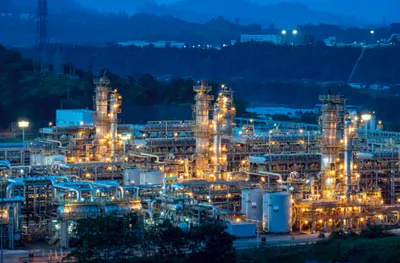
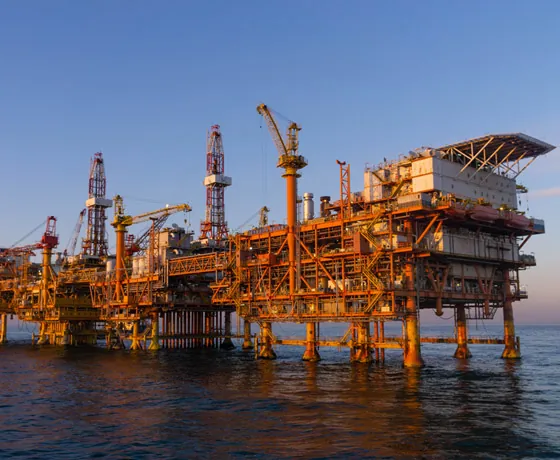
Gas processing plants and offshore platforms run U-bundle exchangers for process heating and cooling, and a bundle in UNS S31603 U tube suits units that see seawater or chloride-bearing streams.

Petrochemicals duty for Stainless Steel U Tubes

Petrochemicals

Petrochemical plants fit U-bundles in condensers and process heat transfer units, choosing WNR 1.4541 U tube where stream temperatures cycle and each tube must expand independently of the shell.

HVAC Systems duty for Stainless Steel U Tubes

HVAC Systems

Chillers, air conditioning plant and boilers in building services use U-bundles because the bent shape makes good use of space, and WNR 1.4301 U tube suits the water these circuits carry.

Food Processing duty for Stainless Steel U Tubes

Food Processing

Dairy plants and breweries use U-bundle exchangers to heat and cool milk, juices and other food ingredients, in WNR 1.4301 U tube or 316L selected for the process stream.

Pharmaceutical duty for Stainless Steel U Tubes

Pharmaceutical

Purified water systems in pharmaceutical plants use U-bundle exchangers in their heating and cooling loops, often in WNR 1.4404 U tube, with any special surface finish agreed on the order.

Shipping and Packaging

Bundling

U tube stainless steel grouped by bend row, grade and heat, wrapped against moisture and dust, then crated in timber for ocean freight.

Identification

Each tube marked with grade, specification, size, wall basis and heat number, with row numbers or your item codes on request.

Support

Legs and bends held in place inside the crate so each U keeps its shape during handling.

Bore protection

Plastic caps on both ends of every tube keep the bore clean.

Commercial basis

FOB, CIF or CFR, confirmed in the order acknowledgment.

Delivery reach

By truck to any site in Thailand, and in export containers to Singapore, Malaysia, Vietnam, Indonesia, the Philippines and India.

Order U-Bent Tubes from Thaida

Every stainless steel U tube is drawn, bent and tested at 154 Moo.1 Map Phai, Ban Bueng, Chonburi 20170, Thailand. Our team at 89/18 Moo.15 Enterprize Park, Bangna-Trad Road, Bang Kaeo, Bang Phli, Samut Prakan 10540, Thailand, reviews each bundle drawing, prepares the quotation and issues the certificates. An order for ASTM A213 TP304 U tube or any other grade is confirmed with its bending schedule and test plan.

Factory
154 Moo.1 Map Phai, Ban Bueng,
Chonburi 20170, Thailand
Office
89/18 Moo.15 Enterprize Park, Bangna-Trad Road,
Bang Kaeo, Bang Phli, Samut Prakan 10540, Thailand
Exporting to
  • Singapore
  • Malaysia
  • Vietnam
  • Indonesia
  • Philippines
  • India

Frequently Asked Questions

What is checked before the U is bent?

The straight tube. Under ASTM A1016, test specimens are cut from the ends of finished tubes before any forming, and the wall, OD and length tolerances apply before bending, so the flattening, flaring, tension and hardness results and the dimensions on the certificate describe the straight tube.

What should a U-bundle inquiry include?

Send the bundle drawing and a row schedule giving bend radius, leg lengths and tube count per row, plus grade, OD and wall with its minimum or average basis. The row with the longest developed length decides feasibility, since its straight length before bending must fit within our 22 m maximum. Note extra tests, such as intergranular corrosion, too.

Is heat treatment applied after bending?

Yes. The straight length is annealed and pickled before bending, and after cold bending the tubes are heat treated and checked before testing. If your exchanger specification sets its own condition for the bend area, put it on the inquiry so it is reviewed with the drawing.

Which OD and wall sizes are available for U-bends?

OD 12.7 to 127 mm with 1 to 5 mm wall. That window lies within the size range ASTM A213 describes as usually furnished, and A1016 OD tolerance bands cover all of it. If the order omits the wall basis, A213 treats the stated wall as a minimum, so mark average wall where your design uses a nominal figure.

Should a U-bundle use 304 or 316 tubing?

Choose by the fluid. ASTM A213 TP304 U tube suits water, steam and mild chemicals and bends easily, while 316 adds molybdenum against pitting where cooling water carries chlorides. If tube ends are welded into the tube sheet, the low-carbon ASTM A213 TP316L U tube resists intergranular corrosion at the joint.

Does every length get a hydrostatic test?

Every tube receives either a hydrostatic test or a nondestructive electric test by eddy current or ultrasonic examination. A213 lets the manufacturer choose between them unless the order names one, so specify hydrostatic testing on the inquiry if your exchanger code or end user requires it for each ASME SA-213 U tube.