Get a Quote
Incoloy 028 Seamless Tubes Manufacturer in Thailand

ASTM A213 / ASME SA-213 / UNS N08028 / W.Nr. 1.4563

Incoloy 028 Seamless Tubes Manufacturer in Thailand

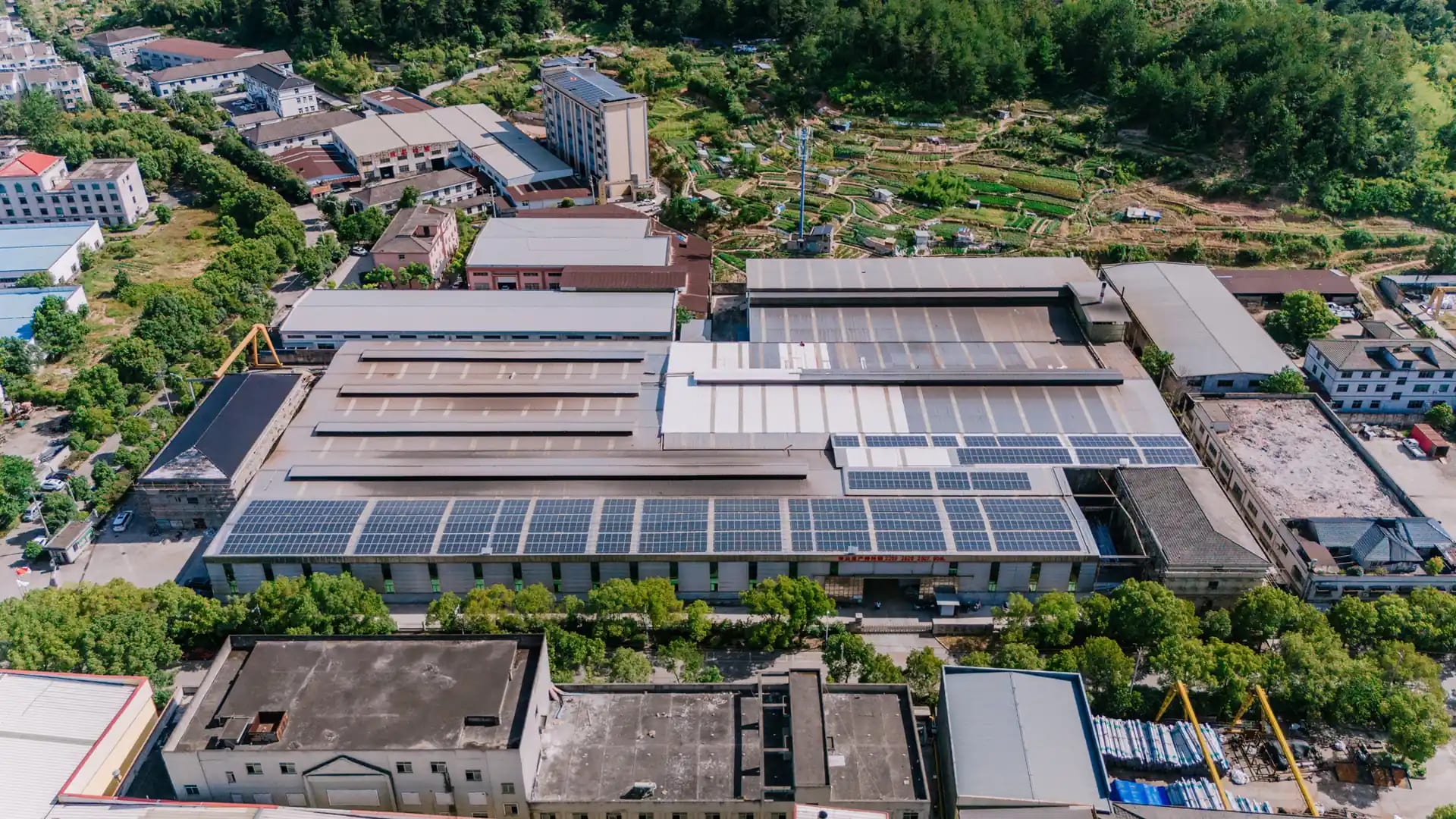
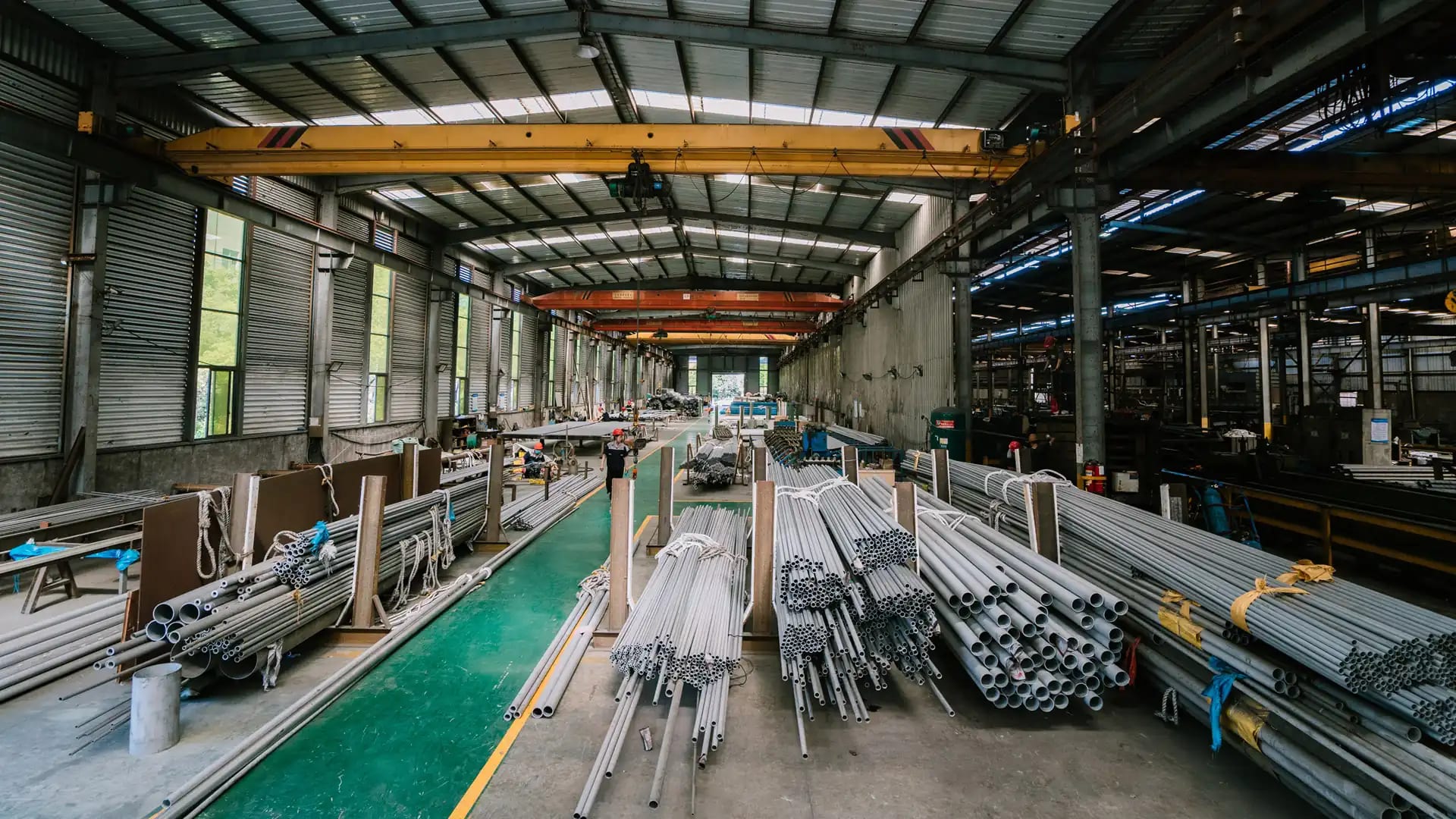
At our Ban Bueng, Chonburi plant, Thaida Stainless Steel Manufacturing (Thailand) Co., Ltd. makes Incoloy 028 seamless tubes for evaporators, condensers and heat exchangers working with phosphoric acid, sulfuric acid or chloride-bearing cooling water. Designated UNS N08028 and W.Nr. 1.4563, this nickel-iron-chromium alloy with molybdenum and copper belongs to our seamless Incoloy tubes range. Offers, test certificates and export documents are prepared at our office in Bang Phli, Samut Prakan.

Incoloy 028 seamless tubeUNS N08028 / W.Nr. 1.4563

  • Minimum wallWall thickness
  • EN 10204 3.1Test certificate

EN 10204 3.1 certificate / 3.2 on request

ASTM A213 UNS N08028 Seamless Tube Specifications

Every row below is either an A213 requirement for N08028 or a choice written into the order. No diameter, wall or length range is printed, because each item is drawn to the outside diameter, wall and cut length that the order states.

Standard
ASTM A213 / ASME SA-213
Designation
UNS N08028, listed by number alone
Material
Incoloy 028, W.Nr. 1.4563
Form
Seamlesshot finished or cold finished
Dimensions
Outside diameterwall thickness and length made to the order
Wall Basis
Minimum wall, or average wall where the order names it
Heat Treatment
Solution treated at 2000 °F (1100 °C) minimum, quenched in water or rapidly cooled
Surface
Pickled free of scaleor bright annealed
Per Heat
Product analysis on one billet or one finished tube
Per Lot
Tension test; flattening on one tube; flaring on a second tube
Every Tube
Hydrostatic test or nondestructive electric test
Hardness
No requirement for N08028
Certificate
EN 10204 3.13.2 on request
Incoloy 028 Seamless Tubes Manufacturer in Thailand

ASTM A213 covers seamless tubes for boilers, superheaters and heat exchangers, and it lists this alloy by its UNS number with the grade column left blank. Each ASTM A213 UNS N08028 seamless tube is therefore ordered, marked and certified as N08028, while Incoloy 028 stays the commercial name on the material list. For Boiler and Pressure Vessel Code work, A213 refers to its related specification, so code orders are written as ASME SA-213 UNS N08028 seamless tube. Where a line is sized by NPS and schedule for process piping, the same alloy is supplied as seamless Incoloy 028 pipes under a separate pipe standard.

Heat and Lot Testing of Seamless Alloy 028 Tube

Release testing on this grade works at three levels: the heat, the lot and the single tube. At heat level, A213 makes a product analysis mandatory, so one billet or one finished tube from each heat is analyzed in addition to the heat analysis taken at the melt. Should that result fall outside the N08028 limits, the standard provides for a retest instead of treating one reading as final.

A lot is tube of one size from one heat; from a batch furnace it is also one furnace charge, and from a continuous furnace the flattening and flaring lot is capped at a tube count that depends on size. Each lot gives one tension test when it holds 50 tubes or fewer and two when it holds more. Flattening specimens come from both ends of one finished tube and flaring specimens from both ends of a second tube, so neither test reuses the other's piece. The flaring tool has a 60° included angle, and the inside diameter must open by a set percentage that rises as the wall grows heavier relative to the diameter.

Every seamless alloy 028 tube is then proved on its own by a hydrostatic test or a nondestructive electric test, at the manufacturer's option unless the order names one. The electric test runs as eddy current or ultrasonic examination, while the hydrostatic test holds each tube under pressure for at least 5 seconds and rejects any tube that leaks. Results are reported on an EN 10204 3.1 (3.2 on request) certificate, and independent third-party inspection is available on request.

Chemical Composition Limits for N08028

A213 prints these limits in weight percent, and both the heat analysis and the product analysis are judged against them. A single figure is a maximum, and iron makes up the balance without a tabulated value.

  • NiNickel, 30.0 to 34.0
  • CrChromium, 26.0 to 28.0
  • MoMolybdenum, 3.0 to 4.0
  • MnManganese, 2.50 max
  • CuCopper, 0.6 to 1.4

UNS N08028028

ElementA213 Limit for N08028, %
C (Carbon)0.030 max
Mn (Manganese)2.50 max
P (Phosphorus)0.030 max
S (Sulfur)0.030 max
Si (Silicon)1.0 max
Cr (Chromium)26.0 to 28.0
Ni (Nickel)30.0 to 34.0
Mo (Molybdenum)3.0 to 4.0
Cu (Copper)0.6 to 1.4

High chromium and nickel bands with molybdenum and copper give the alloy its resistance across sulfuric and phosphoric acid environments and to stress-corrosion cracking in chloride-bearing media. Carbon held to 0.030 % maximum keeps it resistant to sensitization during welding, which matters where a UNS N08028 seamless tube is joined to a tubesheet or header.

Tensile Requirements for Seamless WNR 1.4563 Tube

Tension results come from tube in the solution-treated condition and are checked against a single row of A213 minimums.

PropertyA213 Requirement for N08028
Tensile strength, min73 ksi (500 MPa)
Yield strength, min31 ksi (214 MPa)
Elongation, min40 %
HardnessNo requirement

No wall split interrupts those figures, so a heavy-wall seamless WNR 1.4563 tube answers the same 500 MPa tensile minimum as a thin-wall one. The hardness cells for N08028 in the A213 tensile and hardness table show only ellipses, meaning no requirement, which is why the certificate carries no hardness reading for this grade.

Solution Treatment and the S4 Intergranular Test Option

All austenitic tubes under A213 are furnished heat treated. For N08028 the solution treatment is at 2000 °F (1100 °C) minimum, followed by quenching in water or rapid cooling by other means; the standard also accepts a direct quench straight after hot forming, provided the tube has not dropped below the minimum solution temperature. The cooling rate must be fast enough to stop carbides from re-precipitating, and A213 lets that be shown by the capability of the tube to pass ASTM A262 Practice E.

The intergranular test itself runs only when the purchase order calls for supplementary requirement S4. For low-carbon grades containing 3 % or more molybdenum, which includes this alloy, the applicability of the sensitizing treatment is agreed between purchaser and manufacturer, so settle it before the heat is scheduled. After treatment, each seamless 1.4563 alloy tube is pickled free of scale, unless bright annealing has already left a clean surface.

Equivalent Designations of Incoloy 028

Drawings from different regions may call this alloy by a European number instead of its UNS designation. The values below help read such a callout; conformity is stated to A213 alone.

  1. Commercial nameIncoloy 028, also written Alloy 28
  2. ASTM A213 / ASME SA-213 (USA)UNS N08028
  3. Europe (W.Nr.)1.4563
  4. Europe (EN steel name)X1NiCrMoCu31-27-4

Whichever of these names a drawing uses, N08028 is the designation of record on our offer and on the certificate.

Ordering Basis and Tolerances for Seamless Incoloy 028 Tube

A213 sizes a tube by outside diameter and minimum wall unless the order specifies average wall, and the order also states hot finished or cold finished and a specific or random length. Every seamless Incoloy 028 tube is made to the ordered outside diameter, wall thickness and length, so the permitted variations that apply to tube made under A213 are read against the size you specify:

ItemPermitted Variation
Wall, minimum-wall order, cold finished+20 % or +22 % over, by outside diameter band; nothing under. A very heavy wall, or a bore of 60 % of the outside diameter or less, takes the hot-finished row
Wall, minimum-wall order, hot finishedUp to +40 % over on thin walls, stepping down to +28 % on the heaviest; nothing under
Wall, average-wall order, cold formed±10 %
Wall, average-wall order, hot formed+15 % to +22.5 % over and 12.5 % under, by outside diameter and wall-to-diameter ratio
Outside diameterOver and under limits set by diameter band, separately for hot finished and cold finished; they include out-of-roundness except on thin-wall tube and on small-diameter cold-finished tube, where they apply to the mean diameter and an ovality allowance is added
Thin wall (wall 3 % of outside diameter or less, or a very thin specified wall)Diameter limit applied to the mean of the extreme readings, with an added ovality allowance
Cut lengthNothing under; a small over allowance that widens on long lengths
Straightness and endsReasonably straight, with smooth ends free of burrs

The marking on each UNS N08028 seamless tube shows whether it was hot finished or cold finished and whether its wall is minimum or average, so the tolerance column that applies can be read from the tube itself.

Choosing Between N08028 and Neighboring Seamless Tube Grades

Incoloy 825 seamless tubes are made to ASTM B163 as UNS N08825, with nickel at 38.0 to 46.0 %, chromium at 19.5 to 23.5 %, molybdenum at 2.5 to 3.5 %, copper at 1.5 to 3.0 % and titanium at 0.6 to 1.2 %. Against those B163 ranges, A213 sets N08028 lower in nickel at 30.0 to 34.0 % and higher in chromium at 26.0 to 28.0 %, with 3.0 to 4.0 % molybdenum and no titanium requirement.

Alloy 926 seamless tubes sit beside this grade in A213, also listed by UNS number only. N08926 carries 19.0 to 21.0 % chromium, 24.0 to 26.0 % nickel, 6.0 to 7.0 % molybdenum and 0.15 to 0.25 % nitrogen, and its A213 minimums are 650 MPa tensile and 295 MPa yield, against 500 MPa and 214 MPa for N08028.

Seamless Alloy 31 tubes are made to ASTM B622 as UNS N08031, so they reach similar acid duties under a different product standard. In each case the exchanger data sheet decides the grade, because the certificate is checked against that grade's own standard and chemistry.

Industrial Applications of Incoloy 028 Seamless Tubes

Seamless alloy 028 tube is specified where acid or chloride-bearing media stay in contact with the tube wall for the working life of the equipment.

Phosphoric Acid Evaporators duty for Incoloy 028 seamless tube

Phosphoric Acid Evaporators

Wet-process phosphoric acid plants tube their evaporators with the alloy for its resistance across phosphoric and sulfuric acid environments. Straight lengths are cut to the bundle drawing and capped at both ends before dispatch.

Acid and Chloride Heat Exchangers and Condensers duty for Incoloy 028 seamless tube

Acid and Chloride Heat Exchangers and Condensers

Shell-and-tube exchangers and condensers handling aggressive acid and chloride media take the alloy in complete bundles, with each lot released on its flattening, flaring and tension results.

Sulfuric Acid Cooling Coils duty for Incoloy 028 seamless tube

Sulfuric Acid Cooling Coils

Sulfuric acid plants and mixed-acid units use the tube for cooling coils and process tubing, where low carbon keeps the alloy resistant to sensitization at welded coil connections.

Seawater-Cooled Exchangers duty for Incoloy 028 seamless tube

Seawater-Cooled Exchangers

Exchangers cooled by seawater bring chlorides into steady contact with the tube wall. Resistance to stress-corrosion cracking in chloride-bearing media suits these coolers, which can be ordered on minimum or average wall.

Packing and Dispatch

Packing

Tubes bundled by size and heat in wooden cases, with an end cap in every bore and moisture protection for sea freight.

Marking

Our name, ASTM A213, UNS N08028, hot finished or cold finished, and minimum or average wall on each tube.

Handling

Kept clear of carbon steel during cutting, bundling and loading, so the pickled surface stays free of iron contamination.

Documents

An EN 10204 3.1 (3.2 on request) certificate covering each heat and lot of seamless WNR 1.4563 tube, with a packing list for every case.

Inspection

Independent third-party inspection available on request.

Terms

FOB, CIF or CFR, with the port of loading named in the offer.

Seamless 1.4563 Alloy Tube Price per kg

Seamless 1.4563 alloy tube is indicatively priced at USD 24 to 55 per kg. Where a quotation lands follows the nickel market first and molybdenum second, and the solution-annealed condition is part of every price. Outside diameter, wall and length then set the drawing and annealing work per kilogram, so small diameters and thin walls sit toward the top of the range, as do short runs, small lots and added testing. A size list with tube counts turns the range into a firm price.

Indicative price, Incoloy 028 Seamless Tubes USD 24 to 55 per kg

Indicative only. Send your sizes and specification to Thaida for a firm quotation.

  • Outside diameter
  • Wall thickness
  • Length
  • Quantity
  • Testing and certification
  • Nickel price
  • Molybdenum price
Get a Firm Quotation

Production in Ban Bueng and Order Handling in Bang Phli

Each UNS N08028 seamless tube on an order is made, solution treated, tested and marked at 154 Moo.1 Map Phai, Ban Bueng, Chonburi 20170, Thailand. Offers, certificates and shipping papers are issued from 89/18 Moo.15 Enterprize Park, Bangna-Trad Road, Bang Kaeo, Bang Phli, Samut Prakan 10540, Thailand. We supply Thailand, Singapore, Malaysia, Vietnam, Indonesia, the Philippines and India, with projects in Thailand served directly from the plant.

Factory
154 Moo.1 Map Phai, Ban Bueng,
Chonburi 20170, Thailand
Office
89/18 Moo.15 Enterprize Park, Bangna-Trad Road,
Bang Kaeo, Bang Phli, Samut Prakan 10540, Thailand
Exporting to
  • Singapore
  • Malaysia
  • Vietnam
  • Indonesia
  • Philippines
  • India

Incoloy 028 Seamless Tube Questions

Does splitting an order into several sizes add lot tests on seamless N08028 tube?

Yes. A lot is one size from one heat, so every size on the order forms its own lot with its own tension, flattening and flaring tests. The product analysis is counted by heat instead and covers every size drawn from that heat, so merging items into fewer sizes reduces the number of lot test results.

When does a minimum-wall order make more sense than an average-wall order?

Order on minimum wall when the thermal or pressure calculation uses the thinnest permitted wall, because a minimum-wall tube is never accepted below the stated figure. Average wall suits a design based on nominal wall, but on cold-formed tube it allows 10 % either way, so an individual tube can arrive thinner than the figure on the order.

Do the OD limits still apply once the tube is expanded into a tubesheet?

They apply to the tube as delivered, before swaging, expanding, bending or polishing. They include out-of-roundness, except on thin-wall tube and small-diameter cold-finished tube, where the limit applies to the mean diameter and an ovality allowance is added. During fitting, A213 asks that a tube inserted in a tubesheet stand expanding and beading without showing cracks or flaws.

Why does this grade carry no hardness value on the certificate?

Because A213 sets no hardness limit for N08028, so there is nothing to test against. Grades that carry a limit, such as N08926, are hardness tested on two tubes from each lot. A lot of this alloy is released on its tension, flattening and flaring results instead.

Which finish condition suits condenser and evaporator bundles in this alloy?

Cold finished, in most cases. Its outside diameter limits are closer than those for hot finished tube, and a minimum-wall order allows +20 % or +22 % over instead of up to +40 %, except on very heavy walls, which take the hot-finished limits. Both help tubes fit tubesheet holes and baffles closely.

Which results does the material certificate list for this alloy?

An EN 10204 3.1 (3.2 on request) certificate reports the heat and product analyses, the tension, flattening and flaring results for each lot, the solution treatment, and whether each tube was proved hydrostatically or by eddy current or ultrasonic testing. It also states hot or cold finish and the wall basis.

Alloy 31 or Incoloy 028 for a phosphoric acid evaporator bundle?

Follow the material named on the exchanger data sheet. Both alloys share a 26.0 to 28.0 % chromium band, but Alloy 31 is held to 6.0 to 7.0 % molybdenum with 0.15 to 0.25 % nitrogen under ASTM B622, while A213 sets N08028 at 3.0 to 4.0 % molybdenum with no nitrogen requirement.